
The Great AI Infrastructure Race: Are We Driving in the Right Direction?
The race to build new data centers is in full sprint, with rivers of capital pouring into the market. The forecast for 2026 is staggering: global investment in AI is projected to reach $2.52 trillion, marking a massive 44% year-over-year increase. This immense figure is overwhelmingly driven by an "infrastructure-first" buildout, as tech giants construct the massive data centers and acquire the advanced chips necessary to power generative AI. Amazon, Alphabet, Microsoft, and Meta alone are expected to account for roughly $650 billion of this total.

However, this aggressive expansion is clashing with severe real-world constraints and a growing backlash from local communities. A stark example of this resistance occurred in Monterey Park, California, where residents made history just last week by overwhelmingly passing a ballot referendum (Measure NDC) that permanently bans the construction of new data centers citywide. Prompted by a proposed 250,000-square-foot artificial intelligence server site near a residential neighborhood, the landslide vote marked the first time a U.S. municipality permanently barred these structures through a direct citizen initiative.
This local rebellion highlights a broader national trend: the public is increasingly concerned about the heavy toll these megastructures take on power grid capacity and local water resources. Viable locations for these facilities are becoming scarce; the power grid is already stretched thin and gasping to satisfy the soaring demand, while severe drought remains a harsh reality in vast areas of the world. Beyond these environmental strains, serious questions are emerging about the long-term sustainability and survival of this very business model.
The Endless Cycle of Costly Hardware Upgrades
A critical flaw in the current model is that data centers are not a one-time investment. The rapid refresh cycle of GPU technology requires the continuous, ongoing replacement of incredibly expensive hardware. These upgrades are rarely as simple as swapping a single board into an existing server; instead, they require entirely new infrastructure setups. Today, GPUs typically come pre-configured and packaged in full server racks with price tags in the million-dollar range.
Look no further than NVIDIA’s relentless delivery schedule over the last few years:
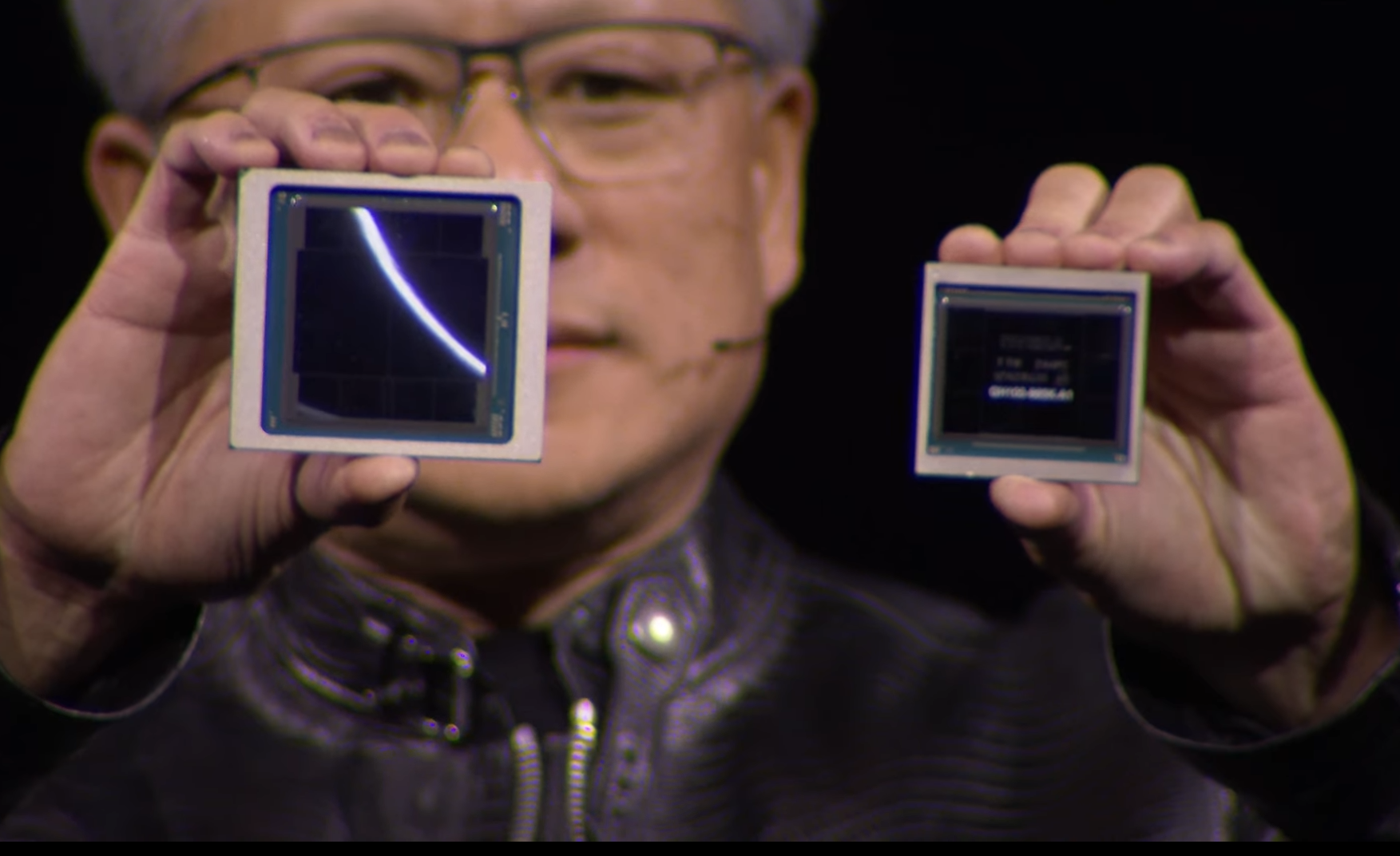
Nvidia's Blackwell chip (left) compared to the older H100 Hopper architecture. (Credit: Nvidia)
NVIDIA Ampere (A100, 2020)
NVIDIA Hopper (H100, 2022)
NVIDIA Hopper Refresh (H200 & Grace Hopper GH200, 2023–24)
NVIDIA Blackwell (Grace Blackwell GB200, 2024–25)
NVIDIA Blackwell Ultra (B300, 2026)
Keeping up with this pace makes achieving a return on investment (ROI) incredibly difficult—and some industry insiders argue it is outright impossible.
Where is the Revenue? The Monetization Dilemma
How will Big Tech companies ever recoup these extraordinary investments?
One might point to the advertising market. The US digital and online advertising market reached roughly $294 billion to $317 billion in just the first three quarters of 2025. Search advertising remained the highest-earning channel, capturing about 38.8% of online ad revenue with an estimated spend of up to $137 billion. Yet, even in its entirety, this market doesn't come close to covering current AI investments.
What about consumer subscriptions? Even if we envision a massive base of 1 billion users subscribing to AI services at an average cost of $200 per account annually, that only generates $200 billion—still far too short.
Consequently, skyrocketing AI costs are no longer just a headache for the tech giants providing the compute capacity; the corporate customers buying these services are feeling the sting of the bill, too. Many are beginning to have serious doubts about the actual ROI of this technology.
The root problem lies in token-based pricing models that charge per output. When software engineers use an AI agent for hours on complex coding tasks, those tokens pile up fast.
Consider these recent shifts across the industry:

Microsoft reportedly instructed engineers in a major division to stop using a third-party AI coding tool because the bills grew too large. They plan to cancel all Claude Code licenses across its Experiences and Devices group—the team behind Windows, Microsoft 365, Outlook, Teams, and Surface—with a strict June 30 cutoff. To be clear, Microsoft isn't stepping back from AI; they are simply forcing a switch to their own internal Copilot tool to control costs.
Uber echoed this frustration, with their Chief Technology Officer noting, "after an important investment we still didn’t get a significant impact on revenues.” Remarkably, Uber burned through its entire 2026 budget for Claude Code and Cursor in just four months—not due to financial mismanagement, but because of the sheer volume of token consumption.
Salesforce has responded to this friction by introducing a dedicated system to track how token usage ultimately translates into positive business outcomes.
Meta’s Chief Technology Officer, Andrew Bosworth, warned employees in an April memo: “Nobody should be using AI tools just for the sake of using them. All motion is not progress and token usage alone is not a measure of impact of any kind.”
The data backs up these executive anxieties. According to EntelligenceAI, a startup that aggregated data from more than 2,000 companies using advanced AI coding tools, only 18% of spending on tokens actually translates into shipped coding products that reach real users.
While Big Tech firms have collectively announced $740 billion in capital expenditures this year—a massive 69% jump from 2025, according to Morgan Stanley—organizations like the Yale Budget Lab report that there is still no widespread data showing AI actually drives productivity gains at scale. Furthermore, a 2024 MIT study examining the economics of automating vision-related work found that AI was cost-effective enough to replace humans in only about 23% of the wages tied to those tasks. For the remaining 77%, it was still cheaper to keep a human on the job.
This leaves us with a pivotal question: Are we driving in the right direction, or is it time for a major market correction? It is becoming quite clear that we must find a way to reduce the cost of both AI adoption and its foundational infrastructure.
Shifting Focus: The Case for Decentralization and Local AI
Up to this point, we have analyzed the situation from the corporate cloud perspective. But what about individual AI customers?
Emerging market signals indicate that we may not actually need as many massive, centralized data centers as the hype suggests. In fact, there are at least four major red flags supporting the idea that the future of AI will be local and distributed, divided into four key developments:
1. Cloud vs. Local Computing
Before diving in, we must clarify a fundamental technical distinction: AI Modeling vs. AI Inference.
AI Modeling is the creation and training of AI models. It requires gargantuan compute capacity (massive clusters of high-end GPUs, memory, and storage). The more powerful the hardware, the faster the model trains—reducing the timeline from months to weeks.
AI Inference occurs when an end-user queries an existing model (via a prompt or input) to get an answer. Here, response time, completion speed, and accuracy are critical. We measure this in milliseconds to seconds, or a few minutes for complex queries.
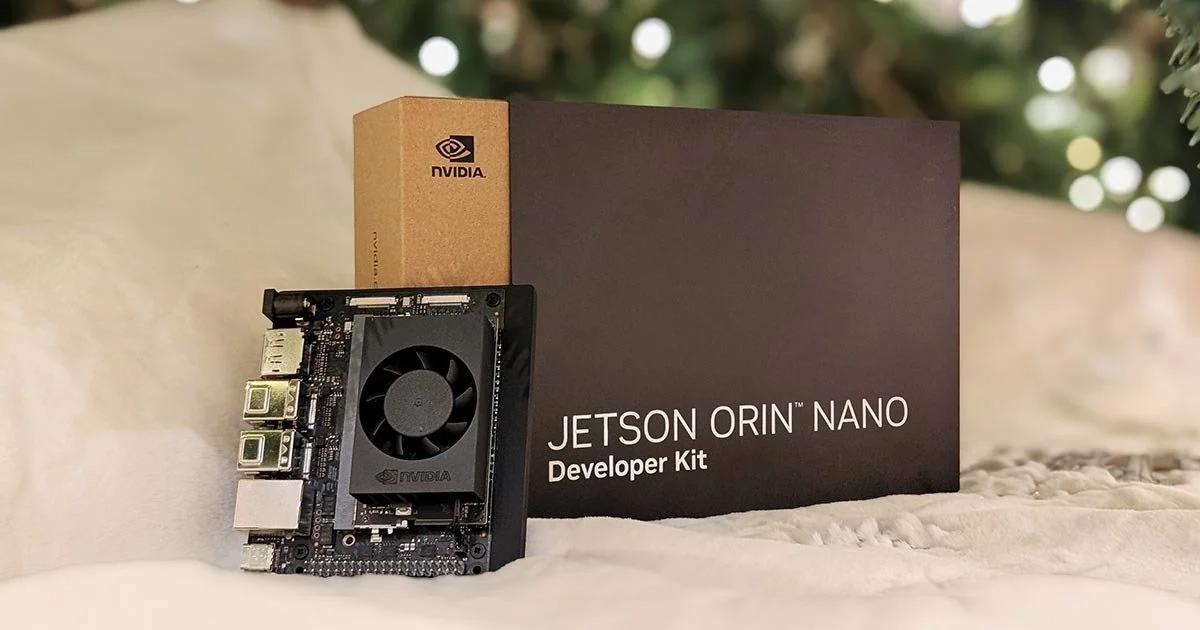
Currently, data centers use almost identical, hyper-expensive hardware infrastructures for both training and inference. However, the hardware landscape is shifting rapidly. NVIDIA recently announced the Jetson Orin Nano Super development kit. This is a fully functional, credit-card-sized computer powered by a 6-core ARM CPU, running Linux, equipped with an Ampere GPU, five USB ports, one Ethernet port, and support for up to two live-feed cameras.
The price tag? Just $250. The performance? Up to 40 TOPS (Trillions of Operations Per Second) of AI performance.
With a tool like this, users can run many of the most common AI models locally, completely bypassing the need for a Claude or Gemini account that costs $20 to $100 a month. Computing stays local, and so does your data. It connects seamlessly to a desktop via Bluetooth or a local network via Ethernet. As long as your task doesn’t require hyper-fresh data from the live internet—such as writing code or analyzing private, local documents—you don’t need the cloud. While current general-purpose computers like the Apple MacBook Pro (using M1 through M5 chips) or systems powered by AMD's Ryzen AI Max series (the "Strix Halo" CPU) can also run LLMs locally, they lack this highly dedicated, cost-effective design and carry much higher price tags.
2. Distributing AI Computing
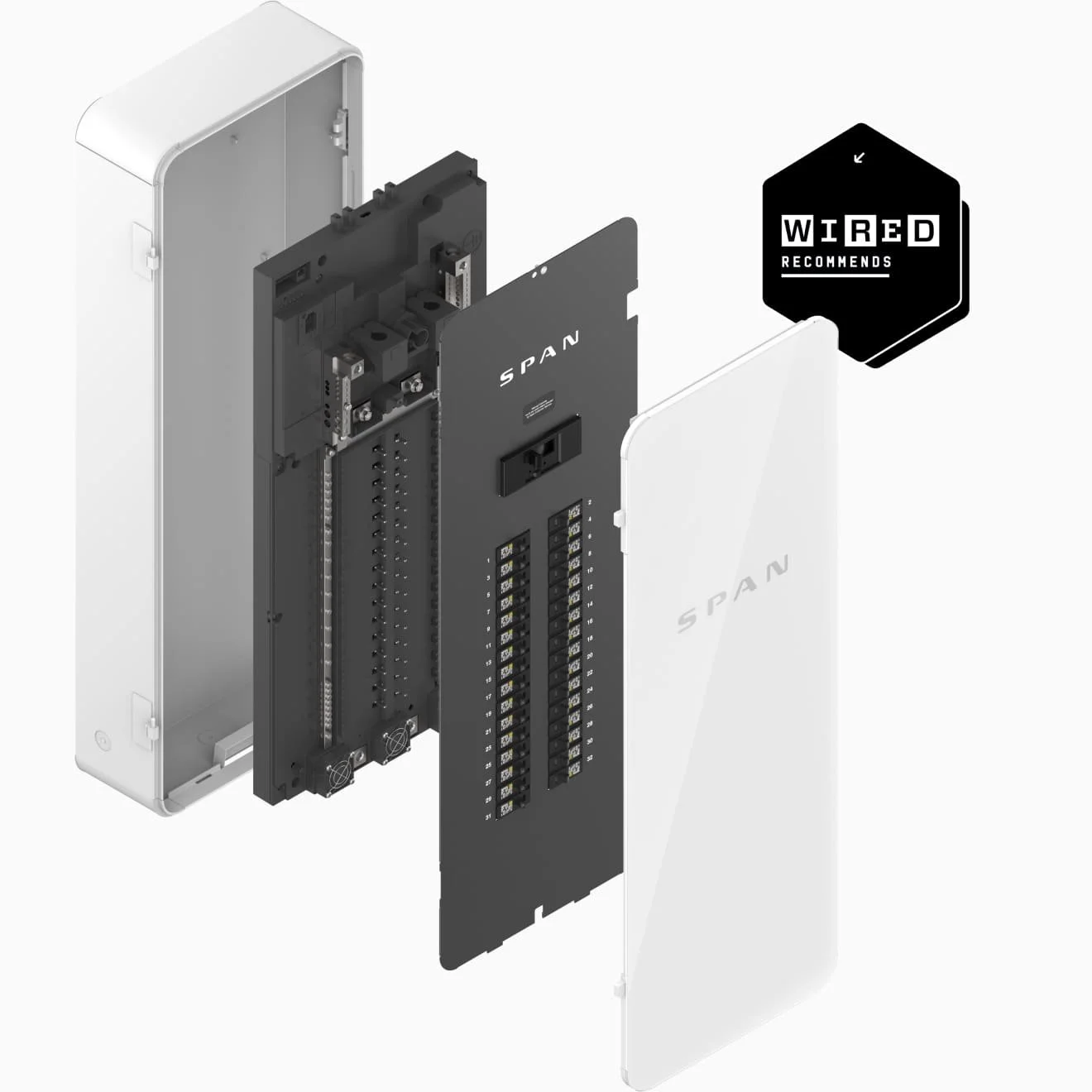
Breakdown of a SPAN electrical panel.
AI companies are desperate for more compute nodes to satisfy skyrocketing user demand, but they simply cannot build traditional data centers fast enough due to real estate shortages, zoning, and grid power limitations.
To solve this, a radical new approach is emerging: distributed computing. SPAN, a California-based smart home startup, is teaming up with NVIDIA and homebuilders like PulteGroup to mount specialized compute boxes directly onto the exterior walls of single-family homes and small businesses. These silent, liquid-cooled XFRA units run NVIDIA’s Blackwell RTX PRO 6000 GPUs, tapping into unused electrical capacity already sitting idle on local residential grids. In exchange, homeowners receive free Wi-Fi and free electricity.
Deploying thousands of these boxes is roughly 6x faster than building a traditional data center and can collectively provide the compute power of a mid-sized facility. Because of network latency, this setup is strictly meant to handle AI inference workloads rather than the tightly clustered GPU environments required for heavy AI modeling.
3. AI Agents and the Shifting GPU-to-CPU Ratio
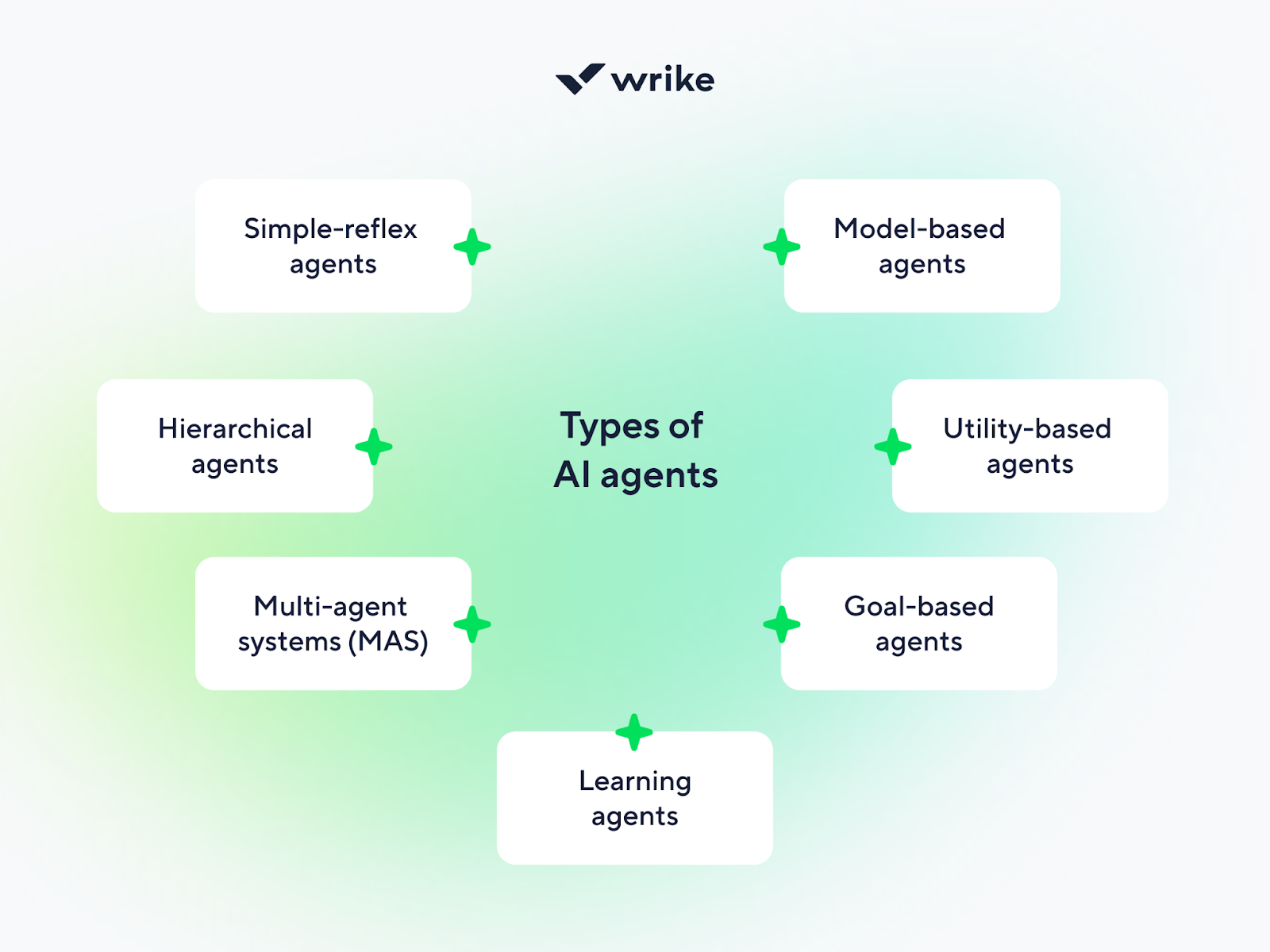
Thus far, user activity has been primarily query-driven: entering a prompt and waiting for a response. The next frontier of adoption centers on AI Agents. This software doesn't just call up different AI models in parallel; it can actively execute real-world tasks based on a user's instructions. An agent can independently search for the best travel deal to New York City, book the trip, and process the payment. It can run 24/7, scraping the web for sales leads, building a "to-do" list directly into your calendar, and emailing you a summary.
While this represents a massive leap forward for productivity, it completely upends infrastructure design. Historically, data center nodes built for AI modeling and query-based inference paired one CPU with many GPUs. However, researchers have discovered that running autonomous AI agents is heavily CPU-centric, not GPU-centric. The new paradigm requires a ratio of 9 CPUs to every 1 GPU, because agents spend the majority of their compute cycles collecting, merging, and managing data and text lists from various models.
This structural shift calls into question the need for thousands of hyper-expensive, GPU-dense data center nodes. Instead, it favors personal computing environments where housing a single GPU alongside multiple CPU cores presents no severe cooling, power, or real estate challenges.
4. Personal AI Agent Computers
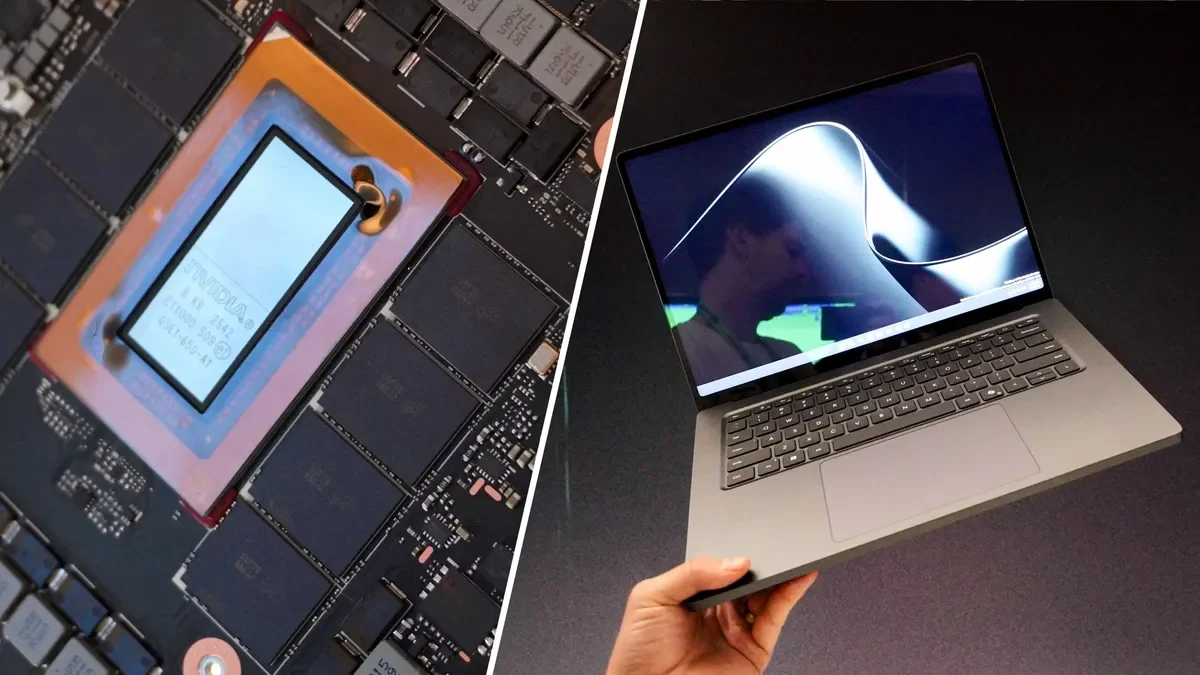
Nvidia RTX Spark Laptop
Capitalizing on this agentic trend, NVIDIA recently announced the RTX Spark laptop, powered by the specialized N1X chip. This ARM-based computer is custom-designed to run personal AI agents locally, interacting directly with your private data and local business workspace.
The major advantage of the RTX Spark over competing hardware is its native, out-of-the-box support for NVIDIA’s proprietary CUDA software stack—the de facto standard in AI development. However, the product faces a significant hurdle: operating system support. While Microsoft has ported Windows to ARM architecture, many applications still must run under an emulator rather than natively, causing noticeable hits to performance and compatibility. Building the specific OS-level software infrastructure required to unlock this hardware will take substantial development effort, and the Spark will certainly not be cheap.
Conclusion: The Looming Realignment
In summary, the current financial trajectory of AI infrastructure and adoption appears fundamentally unsustainable. While AI will undoubtedly spark massive long-term gains in corporate productivity and efficiency, it is not the universal, blank-check solution that current market hype portrays.
The unmistakable signals we are seeing from the market—ranging from token-budget exhaustion at companies like Uber to the rise of localized chips and distributed residential GPU networks—strongly suggest that decentralized computing power and altered hardware configurations are the optimal path forward for AI's next phase.
These shifts heavily indicate that today's colossal data center investments may be heading in the wrong direction, potentially creating a massive infrastructure surplus. We may already be seeing the first signs of this overcapacity: SpaceX is currently renting out compute power from its massive Colossus data center to Anthropic for $1.2 billion a month and to Google for $920 million a month, rather than utilizing that capacity internally for its own Grok AI model.
The ultimate risk to the broader economy is the looming threat of an "AI bubble," which could force companies to write off billions of dollars in highly expensive, underutilized computer racks currently under construction. Navigating this impending financial bump will be painful, but it is a necessary market correction to finally establish a sustainable, realistic shape for the future AI economy.