
The H-Factor: Where Has it Gone?
For decades, a singular mantra has dominated the corporate world: Productivity, Efficiency, and Cost Reduction.
These are noble objectives on paper, but in the rush to streamline business processes, a critical component is being erased from the equation—the H-factor—the essential human element that provides intuition, empathy, and control.
While no one opposes progress, we are reaching a tipping point where "efficiency" is no longer about doing things better; it is about shifting the burden of labor onto the customer and the employee, often with detrimental results.
To understand why the "H-factor" is so often neglected, we must look at the technical tension between these two terms that are frequently used interchangeably but represent very different goals: productivity and efficiency.
While they both aim for improvement, their underlying philosophies can often come into direct conflict, especially when human beings are involved.
Productivity vs. Efficiency: The Core Definitions
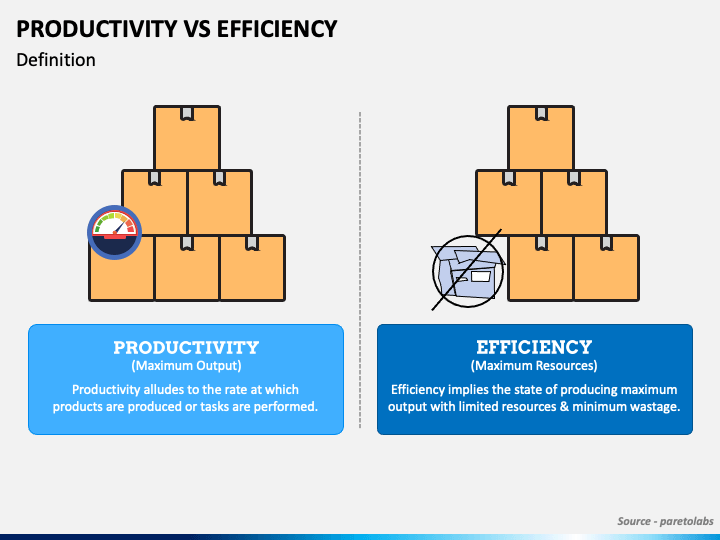
Productivity is essentially a measure of output.
It is a ratio of what is produced (goods or services) compared to the resources used to create them. In a business context, increasing productivity means finding ways to create more within the same timeframe.
It is an additive mindset focused on growth and volume.
Efficiency, on the other hand, is about input and the reduction of waste.
It focuses on how well those resources are utilized to achieve a result. An efficient process is one that reaches its goal using the least amount of energy, money, or materials possible.
It is a subtractive mindset focused on lean operations and the elimination of "friction."
The Point of Conflict
The conflict arises because a process can be highly productive but incredibly inefficient, or highly efficient yet remarkably unproductive.
In the corporate pursuit of the "bottom line," management often prioritizes efficiency (cutting costs and removing "unnecessary" human steps) under the guise of productivity (producing more).
When a company removes a customer service representative and replaces them with an automated phone tree, they have technically increased their efficiency—they are achieving a "triage" result with zero labor cost.
However, if that automation causes a customer to spend twenty minutes frustrated and unable to solve their problem, the overall productivity of the service interaction has plummeted. The "output" (a resolved issue) has not increased; only the company's internal expenditure has decreased.
This tension is where the H-factor is most often lost.
True productivity often requires a certain amount of "healthy friction"—human conversation, personalized troubleshooting, and a comfortable workspace—that efficiency-focused metrics view as waste.
When we over-optimize for efficiency, we often end up with a "lean" system that is too fragile to actually be productive when faced with the complexities of human needs.
The Rise of "Shadow Work"
Due to this massive focus on over-optimization, we are also currently witnessing a shift where innovations are often masked just as a transposition of tasks, where the company stops performing a service and forces the customer to do it instead, usually without any reduction in the final price.
Even if these changes generate cost savings for the business, those savings are rarely carried over to the end user; they are simply converted into higher profits while the customer handles new annoyances.
We see this when we purchase a new appliance only to find it has no printed manual included in the box, forcing us to provide our own internet connection, and an appropriate device, to find instructions. We also see it in the decline of shipping quality, where insufficient packaging–often an easy way to cut costs–leads to damaged goods, with the company’s shipping policy then leaving it as the customer’s responsibility to initiate the return process through frustrating online requests or phone calls.
For those who do not speak English as a native language, have a strong accent, or have some kind of oral disability–whether temporary or chronic–these automated "gatekeepers" often cut them off entirely, removing the human touch exactly when it is needed most.
This displacement of labor is most evident in our local stores and transit hubs.
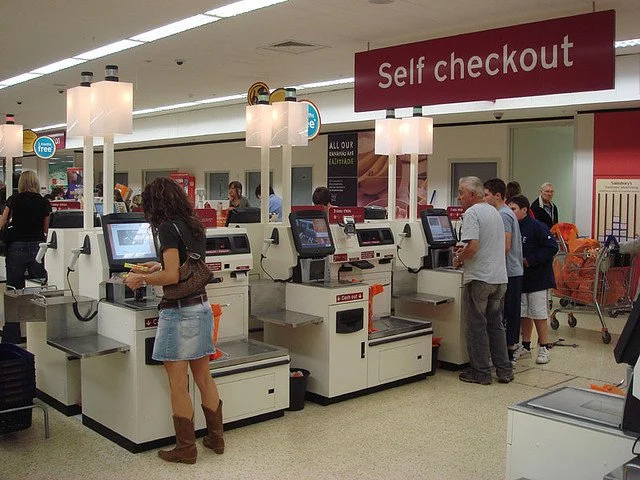
NCR Corporation model of self-service checkouts and fast-lane at a Sainsbury's store
The increase in self-checkout (SCO) positions at supermarkets requires customers to scan and bag their own products, all while hoping the hardware doesn't malfunction. When it does? Oh boy. Good luck finding someone to help!
Since the rise of SCO technology—which now accounts for nearly 40% of all grocery registers in the U.S.—staffing ratios have shifted from one cashier per register to one employee overseeing six to ten kiosks simultaneously.
This "labor dilution" is reflected in federal data showing a steady decline in average weekly hours per retail worker, dropping to roughly 32.7 hours as stores prioritize leaner, multitasking roles (BLS, 2024).
Consequently, research fromThe Shift Project indicates that this shift leads to chronic understaffing, forcing a single worker to often need to manage technical errors, inventory maintenance, as well as customer service across multiple sections at once.
Similarly, most airport check-in booths now require the customer to print their own boarding passes and luggage tags.
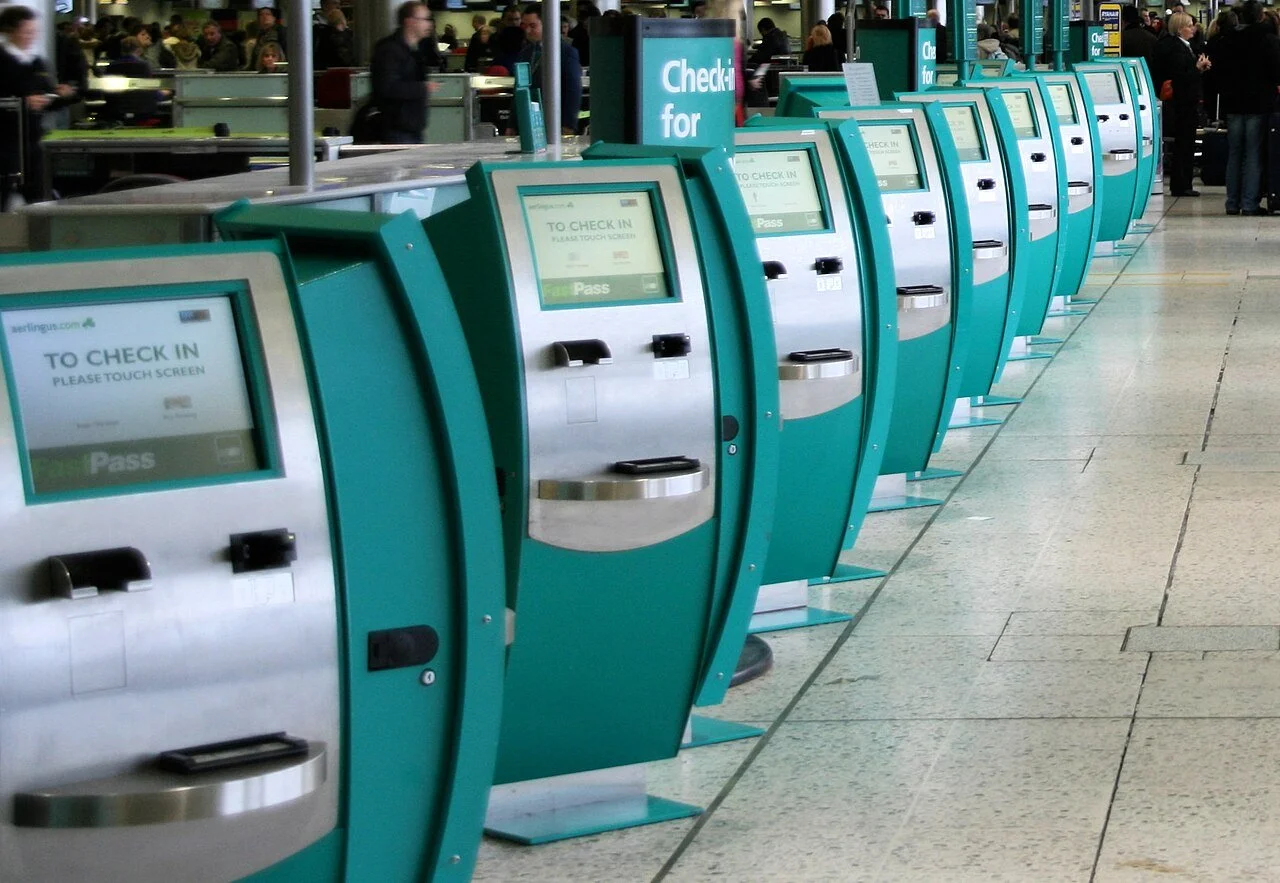
Self Check-In Stations at Dublin Airport
Despite the widespread adoption of these self-service kiosks and mobile boarding passes–a move that was sold to customers as a way to "speed up" the check in process—the passenger experience remains defined by persistent bottlenecks.
Despite these digital “efficiencies”, the Transportation Security Administration (TSA) recorded its busiest year in history in 2024, with peak days screening nearly 3 million individuals and standard security wait times still reaching upwards of 30 minutes at major hubs (TSA, 2024).
Simultaneously, while adjusted base flight fares have–in general– trended downward, many passengers perceive an increase in cost due to the industry’s aggressive "unbundling" strategy. Airlines have moved away from all-inclusive tickets toward a "pay-for-what-you-use" model, where essential services like carry-on bags, seat selection, and even printing a boarding pass at the counter are sold as add-ons.
According to the Bureau of Transportation Statistics, while base fares have stabilized, the revenue airlines collect from these ancillary fees has surged, with major U.S. carriers generating billions annually from baggage and reservation change fees alone (BTS, 2024). This "subscription-style" modular pricing often masks the true total cost of the journey, making the final price at checkout feel significantly higher than the initial "deal" presented to the consumer.
The shift toward self-service kiosks and mobile boarding passes is a primary driver of this "unbundled" economy, effectively offloading the administrative labor of the check-in process, and the logistics of all desired add-ons, from the airline to the passenger.
By automating these touchpoints, airlines have significantly reduced their reliance on front-counter personnel, allowing them to slash ground-operation costs while simultaneously charging "convenience fees" for services that were once standard fare.
According to the Bureau of Transportation Statistics, this lean operational model has helped the industry recover sharply from recent losses, with U.S. scheduled passenger airlines reporting a net income of $4 billion in 2025—a massive increase over previous years (BTS, 2025).
The result is a stark disconnect for the traveler: while the consumer takes on the "onus" of scanning their own ID, printing their own tags, and navigating digital paywalls on websites or apps with often buggy or poorly maintained user interfaces, the efficiency gains do not manifest as a smoother experience, but rather as soaring corporate profits.
In all of the above scenarios, all it takes is one machine malfunctioning, or one poor connection, or one person unable to understand what is on the screen, and the customer’s only recourse is to go on a wild goose chase for a human employee to help them–and hope there’s one available.
The Evolution of the Workspace: From Offices to Open Floors
The subjects of all this “optimization” and “efficiency” talk are not only the customers. It often starts right at the source, with how companies treat, structure, and enforce their offices and workplace culture.
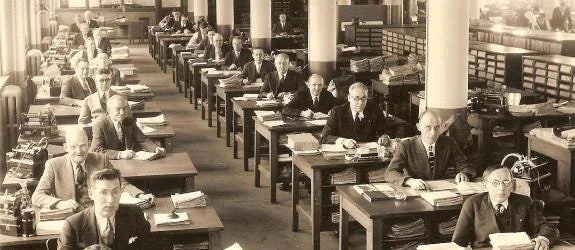
Example of an office with a Yal
The concept of the modern open office we know today did not begin as a collaborative dream, but actually as a "scientific" management tool known as Taylorism.
In the early 20th century, inventor and engineer Frederick Taylor applied the same logic to offices that he applied to steel mills: every movement should be timed, and every worker should be visible.
The original open office was designed as a "bullpen"—rows of desks facing a supervisor—specifically so that management could measure output and ensure no "soldiering" (slacking off) occurred. Each supervisor’s desk was even positioned raised up on a dias, not only as a symbol of oversight, but also every-present control. Someone was always watching.
The metric here was line-of-sight supervision; the physical structure was designed to facilitate a "human assembly line."
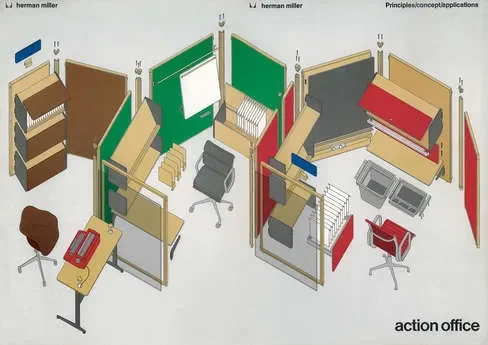
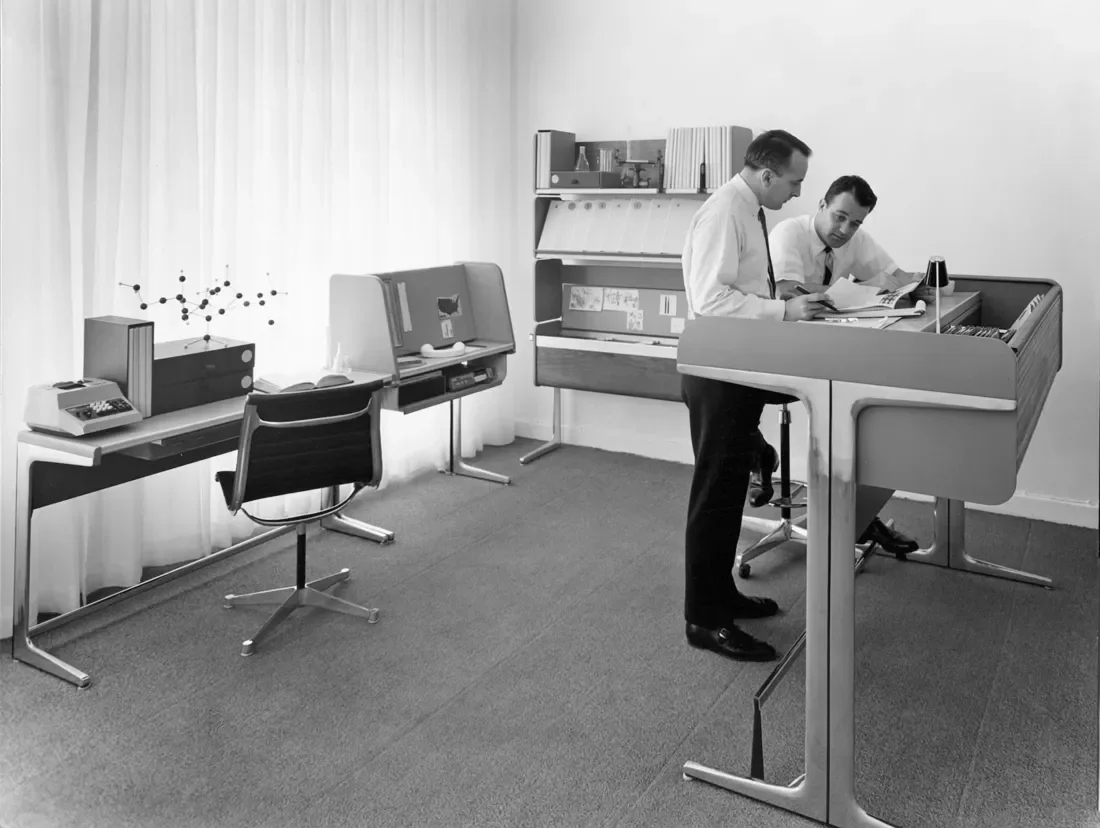
When the open office was finally deemed too distracting in the 1970s, the "Action Office" (the cubicle) was introduced as a way to re-introduce privacy and personal space. Yet, the metric of profitability quickly corrupted this design.
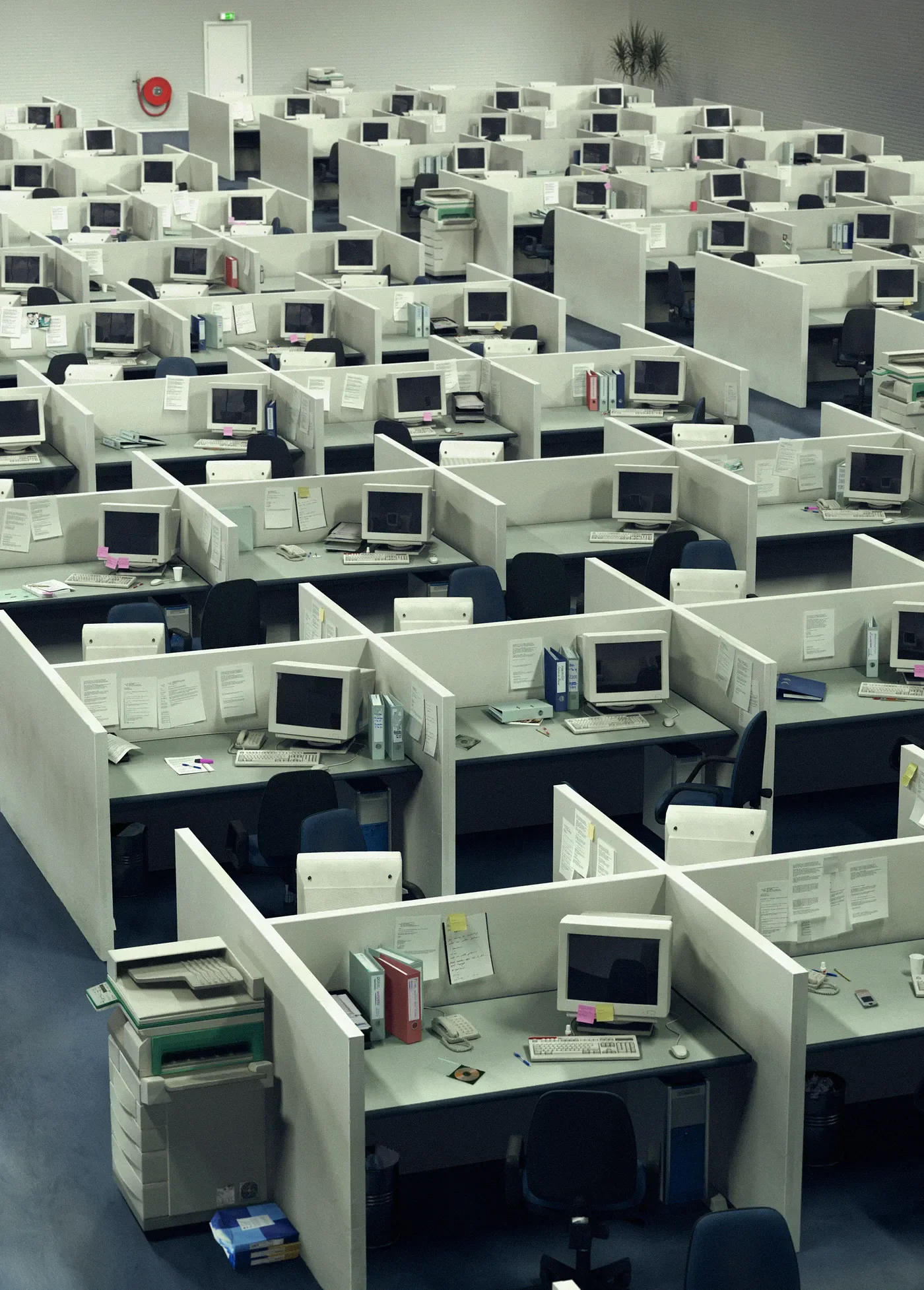
Typical Cubicle Farm
What was originally meant to be a flexible, three-walled space for individual expression was stripped down by corporations into what became known as "Cubicle Farms." By shrinking the dimensions of these boxes to the absolute minimum required by law, companies could maximize "occupancy metrics," effectively "warehousing" humans in the most efficient grid possible.
By the early 2000s, employee backlash against these "Orwellian" workspaces became too loud to ignore.
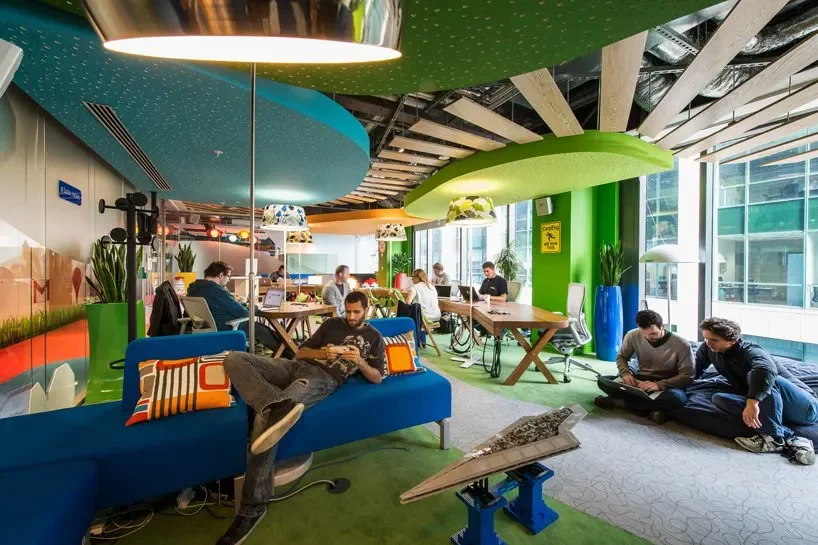
In response, many tech giants pivoted back to championing the "Open Office" concept, arguing that removing walls would spark serendipitous collaboration and thus was the ultimate solution for this new age of innovation.
Unfortunately, the data tells a very different story regarding these open-plan layouts.
A landmark study by Harvard Business School (Bernstein & Turban, 2018) found that when companies switched to open offices, face-to-face interaction actually decreased by roughly 70%.
Instead of talking more, employees retreated behind noise-canceling headphones and used digital messaging to reclaim the privacy they had lost.

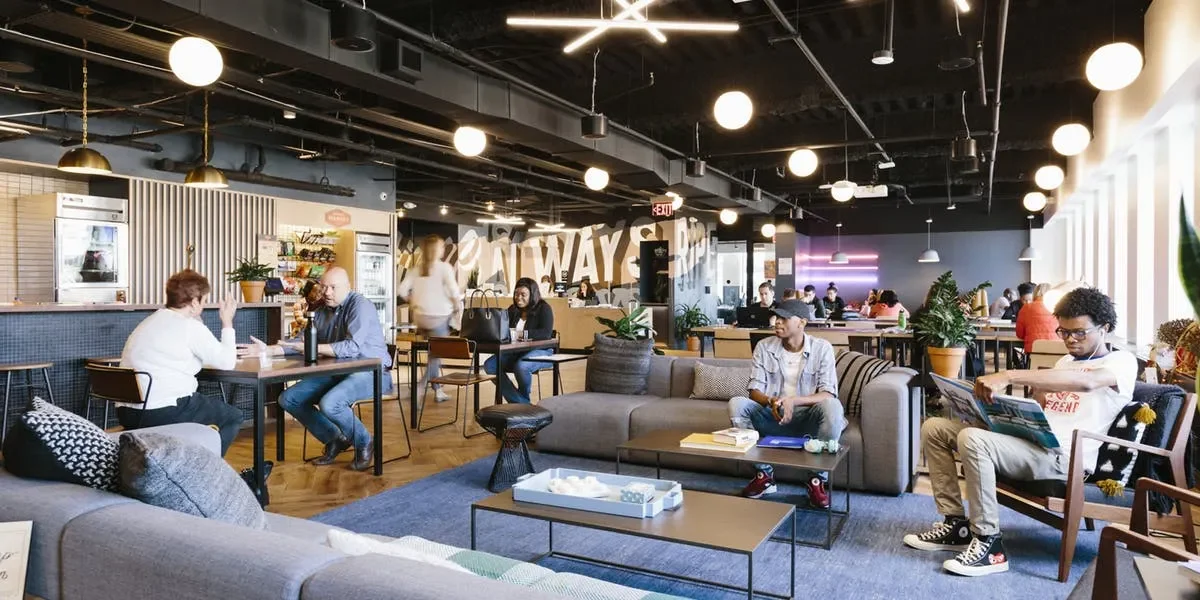
Further research published in the Journal of Environmental Psychology indicates that the "acoustic dissatisfaction" inherent in open plans—the constant noise of nearby business calls and personal conversations—leads to significant drops in cognitive performance and increased stress.
While management may claim these spaces facilitate collaboration, they often fail to provide the quiet, personal room necessary to solve the tough problems that many engineers and creators face daily.
The "Efficiency Myth": How Optimization is Sold vs. Experienced
In the corporate boardroom, the push for automation and open offices is justified through the language of "empowerment" and "modernization."
When these changes are rolled out to the public, they are almost always framed as benefits designed specifically for the consumer. We are told that self-service kiosks are about "giving you control" and "speeding up your day." We are told that removing printed manuals is an "eco-friendly initiative" to reduce our carbon footprint. Even the transition to digital-only payments is marketed as "frictionless" and "seamless."
However, for the average person, the day-to-day reality rarely aligns with the marketing brochure.
What the company calls "control," the customer experiences as unpaid labor. What the company calls "frictionless," the customer experiences as a barrier to entry—especially for those who aren't tech-savvy, don’t have the means or ability to access the devices required, or prefer the security of cash. The "speed" promised by automated systems often evaporates the moment a single error occurs, at which point the lack of a human "H-factor" turns a two-minute task into a twenty-minute ordeal.
The same disconnect exists within the office walls.
Employees are sold the "open office" as a playground for innovation and "vibrant community building." In practice, they find themselves in a high-stress environment where they must perform "professionalism" in a fishbowl, constantly interrupted by the noise of their neighbors. The "transparency" promised by management ends up feeling more like surveillance, and the "collaboration" ends up being a series of apologetic emails sent from across the same room to avoid speaking out loud.
Ultimately, there is a fundamental honesty gap in how these optimizations are presented.
While they are marketed as improvements to the human experience, they are almost exclusively designed to improve the balance sheet. By masking cost-cutting as "progress," companies risk a long-term erosion of trust. When the reality of the experience consistently falls short of the marketing promise, the H-factor isn't just missing—it’s been betrayed.
For a business to truly thrive, it must stop selling efficiency as a gift to the customer and start recognizing it as a trade-off that requires careful, human-centered balance.
Multi-tasking: Efficiency’s Greatest Myth
A core pillar of the efficiency dogma is the glorification of multitasking.
While often viewed as a mandatory skill for managing competing priorities, multitasking is not a synonym for efficiency—it is a "context-switching" fallacy. Rather than doubling our output, we are simply dividing our focus, leading to poorer performance than if we had focused on one task at a time.
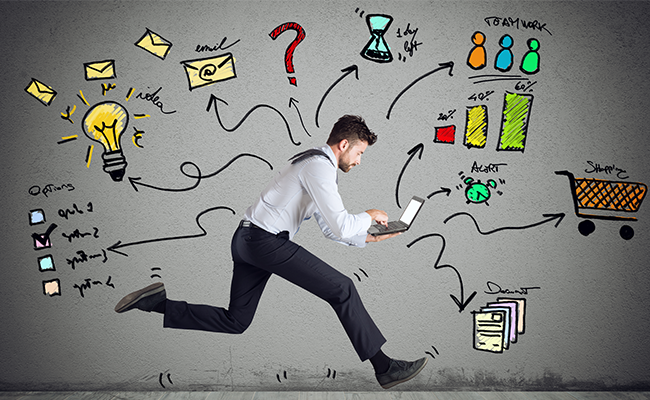
As highlighted by Just a Pixel, true productivity is the ability to bring a single task to completion to a high-quality standard, not the act of being "omnipresent." When we succumb to the pressure of constant digital distractions—toggling between emails, DMs, and complex projects—we break the "logical stream of thought" required for deep work. This results in several productivity pitfalls.
This habit creates a myth of speed where what feels like "doing more" is actually rapid task-switching that lowers overall efficiency, often leaving multiple tasks only partially finished by the end of the day.
Furthermore, high-stress multitasking results in lower quality and "half-answers," creating unfulfilling interactions and more work later to clarify concepts that weren't handled properly the first time.
Ultimately, the ethos of being constantly but partially engaged often serves only those trying to look productive. In reality, this "busyness" makes us unavailable to the high-priority tasks and people that actually move the needle.
To reclaim true efficiency, we must shift from overloading capacity to mastering prioritization. Highlighting "time management" or "prioritization" is far more effective than the overused term "multitasking." Real efficiency involves the discipline to give one thing our full attention, allowing for better results and a more sustainable pace of work.
Reclaiming the Human Element
Poorly deployed "optimization" doesn't just affect floor plans, customer satisfaction, and employee fulfillment; it alters the very nature of work itself. When a process becomes fully automated, any human involved is often reduced to a mere spectator.
If the system works, the employee feels redundant; if it fails, they are left helpless, unable to intervene because they no longer have control over the underlying logic. This creates a workforce that feels increasingly disconnected and underappreciated.
Furthermore, the push for digital-only solutions—such as parking lots that require QR codes to pay their fees, or retail stores that go fully cashless—automatically excludes anyone without a smartphone or a credit card from using the service. This often results, as always, in the more vulnerable or marginalized sections of the population such as immigrants, low-income individuals, the unhoused, the elderly, and the disabled receiving worse services, or none at all.
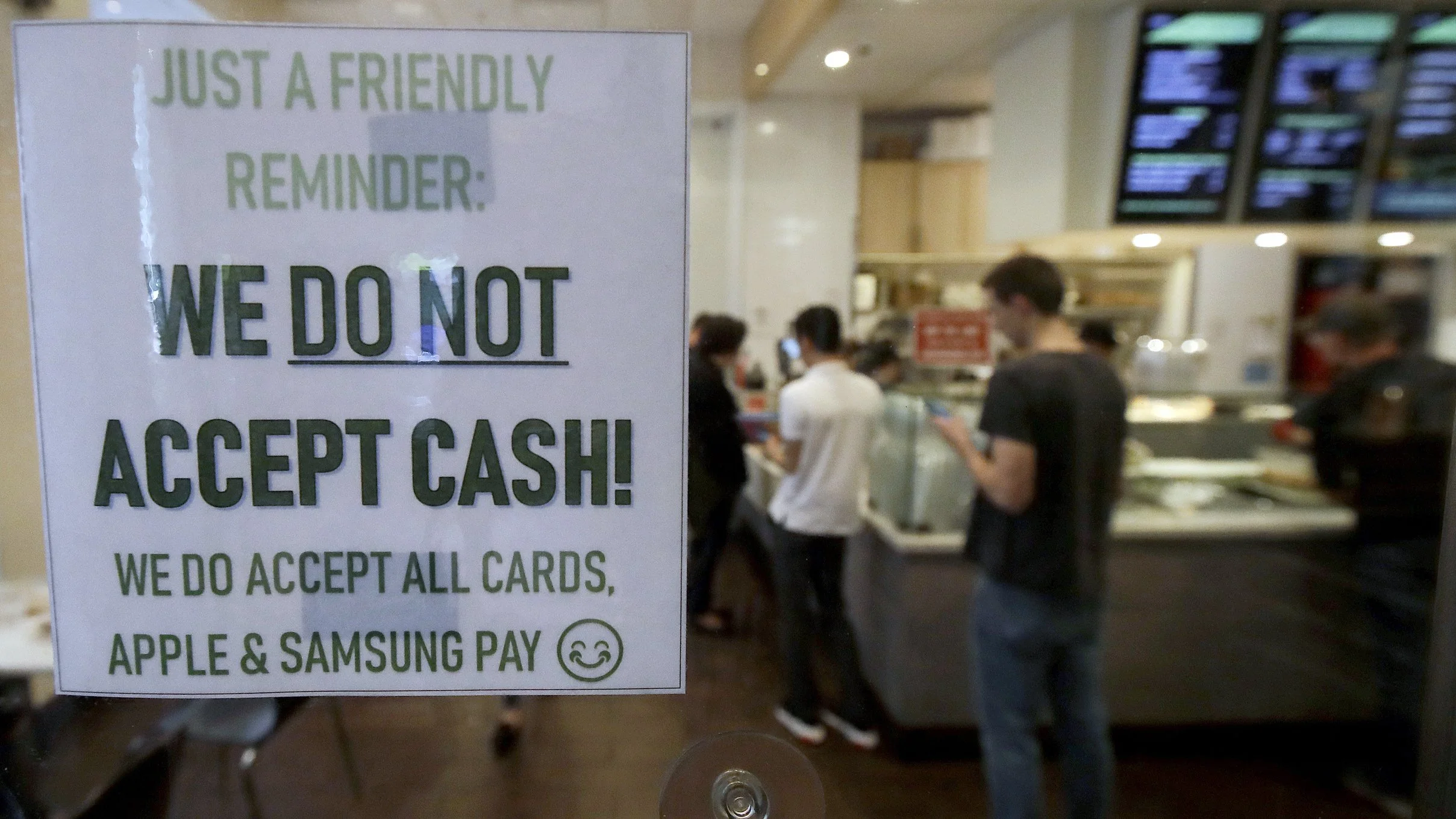
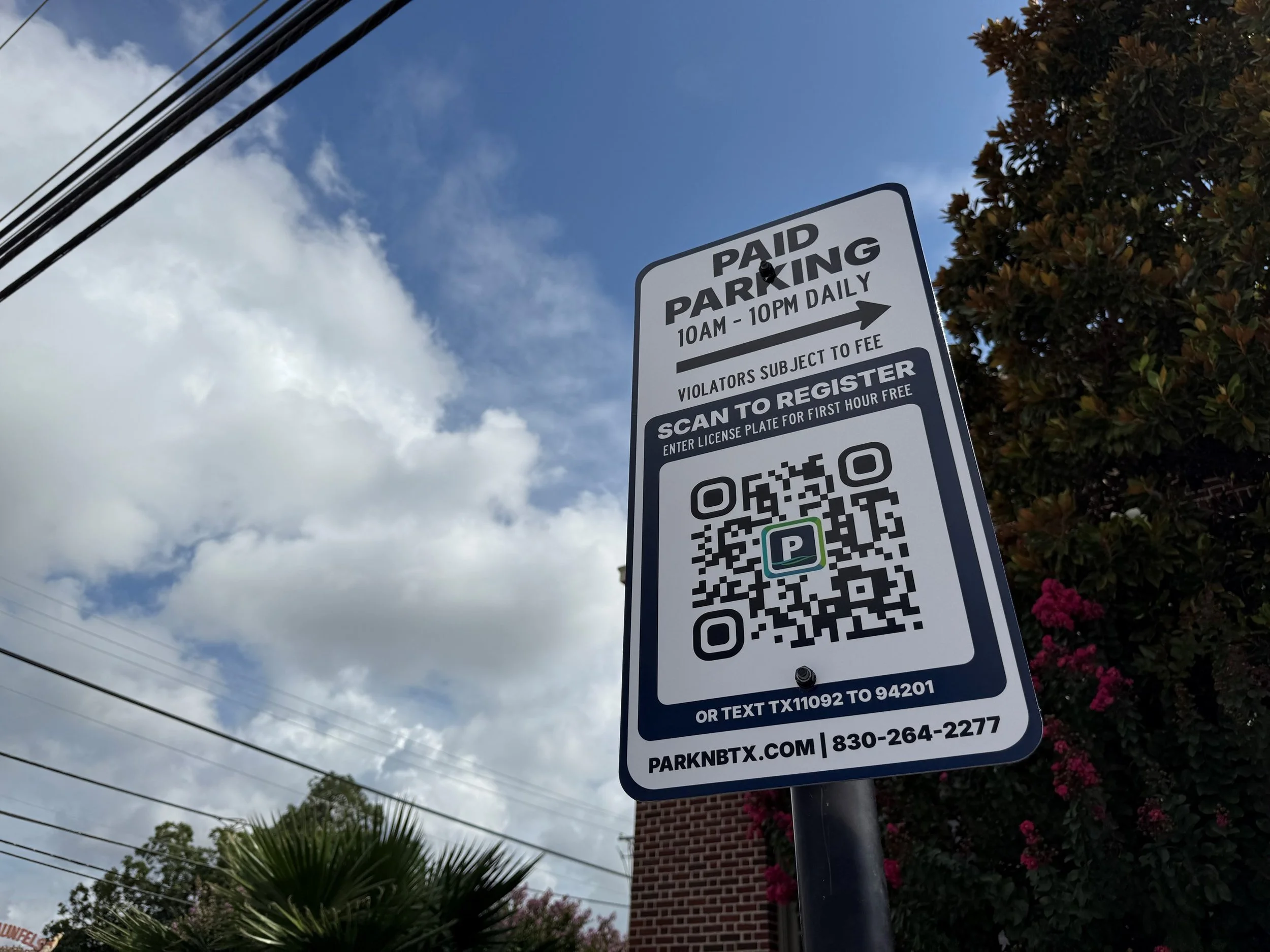
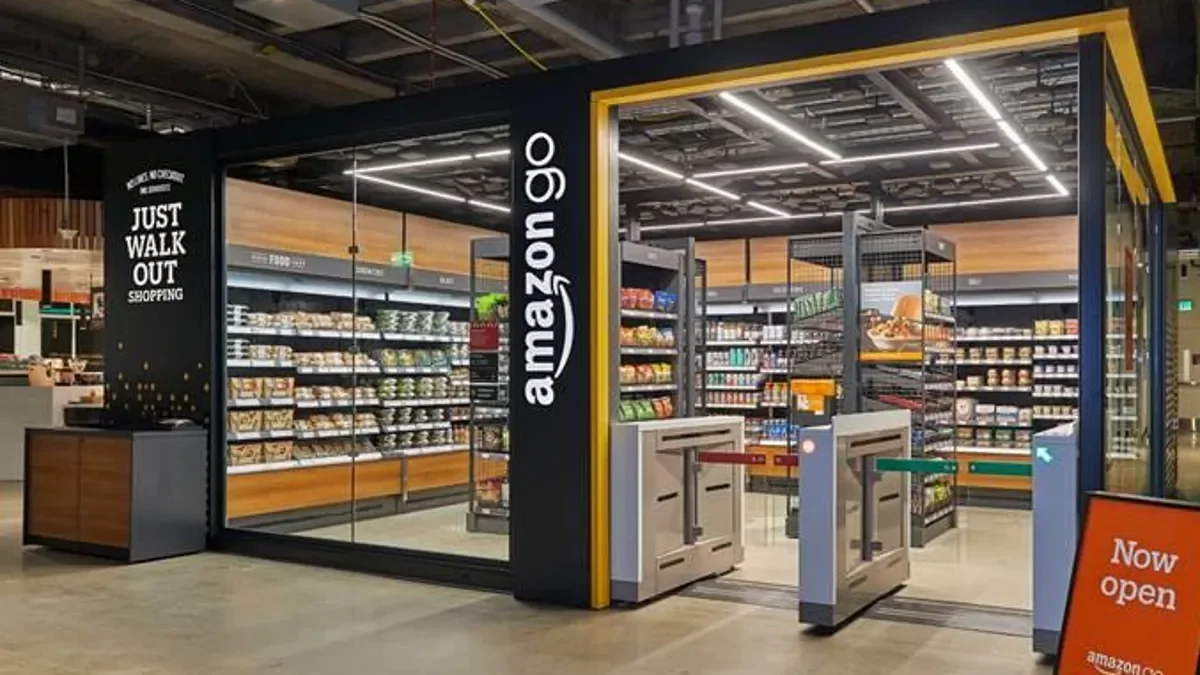
These are not always improvements for the end user; they are often barriers disguised as progress.
We must build an economy that serves people, rather than forcing people to serve the machine. In the current rush to integrate AI and further "optimize" our lives, we must pause to consider the long-term impact.
A business may gain a short-term profit spike by offloading its labor to customers or stripping its employees of dignified workspaces, but it is losing the long-term battle for loyalty. Consumers can boycott a brand in a heartbeat if they feel treated like a number or an unpaid clerk, and high-quality employees will flee a toxic environment for one that respects their human needs.
Efficiency without empathy is simply exhaustion.
If we continue to erase the H-factor from our balance sheets, we should not be surprised when the human part of our economy decides to stop showing up.
Engaging in human relationships is not just a business preference; it is essential for a healthy society.